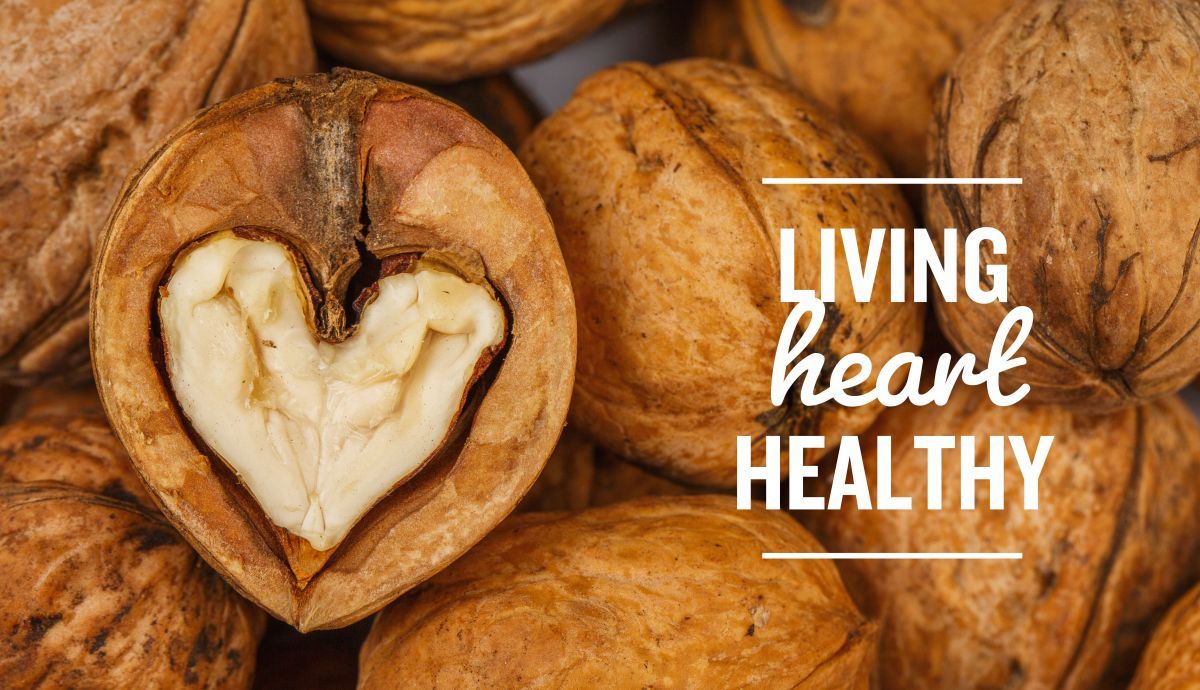
HEART HEALTHY HABITS
According to the American Heart Association, an estimated 80 percent of cardiovascular disease cases, including heart disease and stroke, are preventable. Lifestyle habits such as not smoking, eating well, being active, and undergoing regular health screenings all contribute to lowering your risk. A simple place to start is by eating with your heart in mind.
TRY THESE TIPS:
- Fill half of your plate with colorful fruits and vegetables.
- Eat MORE unsaturated fat from avocados, liquid oils, nuts, seeds and fish and LESS saturated fat from meats, butter, full-fat dairy and fried foods.
- Boost fiber with whole grains, vegetables, fruits, nuts and legumes. Women need at least 25 grams and men need at least 38 grams of fiber per day.
- Go lean and plant-based with protein.
- Eat at least 2 servings of omega-3 rich fish like salmon, tuna, sardines, herring or mackerel per week.
- Limit added sugars and sweetened beverages.
- Cap daily sodium intake at 2,300 milligrams or less per your doctor or dietitian's recommendations.
- Move more and strive for at least 150 minutes of moderate exercise per week.
A HEART-SMART KITCHEN
Heart-healthy eating starts with stocking your kitchen right. Use this list to make your shopping cart more heart smart.
FRUITS AND VEGETABLES
Any fresh or plain frozen vegetables, lower sodium canned vegetables. Any fresh or plain frozen fruit, canned fruit in juice or water, dried fruit.
MEAT, FISH AND PLANT-BASED PROTEIN
Skinless or 90% fat free or higher lean ground poultry, extra lean ground beef, pork tenderloin, fresh, frozen or canned/pouch fish, lower sodium canned beans, lentils, nuts/nut butters, seeds, soy products.
DAIRY
Low-fat Greek yogurt, milk, cheeses, eggs, plant-based dairy alternatives (read labels closely).
WHOLE GRAINS
Whole-grain breads and cereals, oats, whole wheat pasta, brown rice, quinoa, ancient grains, whole wheat flour.
OILS
Olive, canola, soybean, safflower, sunflower, sesame, avocado oils.
SNACKS
Lower sodium whole-grain crackers, plain popcorn, lower added sugar/fiber-rich snack bars.
MISCELLANEOUS
Fresh herbs, spices, salt-free seasoning blends, lower sodium condiments with minimal added sugar.
WEIS NUTRI-FACTS
Look for our heart healthy icon on pricing tags to easily identify heart healthy products while shopping. These are products that have been identified as low in saturated fat and cholesterol with less than 480mg of sodium per serving or less than 600mg of sodium per meal or main dish. They also contain at least 10% of the daily value for one of the following: vitamin A, vitamin C, calcium, iron, protein or fiber.
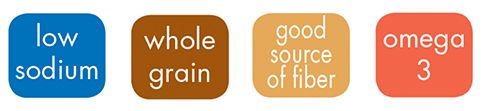
Other Nurti-Facts icons that can help you shop for heart smart products include:
TIPS FOR EASIER HEART-HEALTHY LIVING
- Bake, broil, grill or roast foods instead of frying.
- Use fresh and dried herbs, spices, salt-free seasoning blends, citrus juice, garlic and vinegars to add flavor without adding salt.
- Carry heart-smart snacks with you at work, when traveling, etc.
- Include a few plant-based recipes into your meal plan each week.
- Plan ahead and stick to your grocery list while shopping.
- Compare labels and choose products with the lowest amounts of sodium, saturated fats, and added sugar.
- When shopping, look for these icons on pricing tags to easily identify heart-smart foods.
FEATURED RECIPE
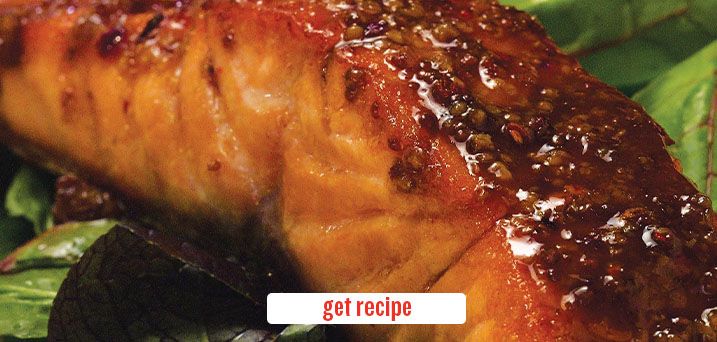
honey dijon glazed salmon
Additional Resources: American Heart Association: https://www.heart.org/
Questions? Email the Weis Dietitians at [email protected]
Meet the Weis Dietitians here: https://www.weismarkets.com/ask-a-dietitian
Page last updated 08/11/2020
The Weis Markets’ Healthy Living website does not provide medical advice, diagnosis or treatment. The information provided on this website is intended for general consumer understanding and education only. It is not intended to be a substitute for professional medical advice. The content is not intended to be used for medical diagnosis or treatment. Additionally, as health and nutrition research continuously evolves, we do not guarantee the accuracy, completeness, or timeliness of any information presented on this website.