WHAT IS CELIAC DISEASE?
Celiac disease is an autoimmune disorder that causes gluten to trigger an inflammatory response in the body, resulting in damage to the lining of the small intestine. When this damage occurs, nutrients cannot be properly absorbed into the body.
Symptoms vary, but may include recurrent abdominal pain, bloating, flatulence, diarrhea, weight loss, headaches, chronic fatigue, joint pain, or unexplained infertility.
Lifelong adherence to a gluten-free diet is the only treatment for celiac disease. Consult your physician to discuss the testing that would be required for diagnosis of celiac disease. Following a gluten-free diet without a confirmed diagnosis is not recommended.
WHAT IS GLUTEN?
Gluten is a protein found in wheat, rye, barley, and triticale. It helps foods to maintain their shape, and acts as a glue that binds them together.
SOURCES OF GLUTEN
Barley, Brewer’s yeast, couscous, durum, emmer, farina, farro, graham, kamut, malt, rye, semolina, spelt, triticale, wheat, wheat berries. Oat are naturally gluten free but are at a high risk for cross contamination during processing. Looks for oats that are certified gluten free.
Hidden Sources of Gluten:
Sauces/Gravies/Marinades - Seasoning mixes- Breadings - Processed meats (hot dogs, sausage, etc) - Vegetarian meat alternatives - Bouillon cubes- Broth/Soups - Soy sauce - Salad dressing - Potato chips - Cosmetics - Vitamins/Supplements - Medications - Beer
A GLUTEN-FREE KITCHEN
Naturally gluten-free, nutritious foods are available throughout the supermarket. Use this basic listing to stock a gluten-free kitchen. Always read food labels before use.
Fruits and Vegetables
Fresh or frozen (plain) whole fruits and vegetables, 100% juice, most dried fruit
Meats and Beans
Plain meat, poultry, fish, seafood, beans
Dairy
Most plain, unflavored butter, milk, yogurt, cheese
Grains
Amaranth, rice, corn, quinoa, buckwheat (not a variety of wheat), sorghum, teff, millet, corn starch, cornmeal, flaxseed and flaxseed meal
Condiments
Plain jams, jellies, honey, nut butters, maple syrup, molasses, brown/white sugars, ketchup, mustard, pickles, olives, mayo, fresh spices, herbs
Snacks
Corn chips, plain popcorn, plain nuts/seeds, rice crackers, plain jerky
Gluten Free
Breads, baking mixes, flour, cereals, oats, snack bars, pasta, etc
Kitchen Storage Tips
- Designate a gluten-free cabinet or pantry space and store all foods in sealed containers.
- Replace any open condiment containers that may have been cross-contaminated with crumbs.
- Clearly label any foods not stored in their original package.
- Have a separate toaster for gluten-free items.
- Prevent cross-contamination of gluten-free foods and recipes by separating ingredients and using different utensils, cutting boards, and equipment, etc.
- Wash all countertops before and after preparing food.
READING FOOD LABELS
Thoroughly read the ingredients listing on all products. “Wheat free” does not necessarily mean “gluten free.” It is important to note that a lack of allergen labeling does NOT mean that the product is gluten free.
Be cautious about these ingredients that may contain gluten:
Malt - Natural flavors - Rice syrup - Yeast extract - Colorings and dyes - Emulsifiers
WEIS NUTRI-FACTS
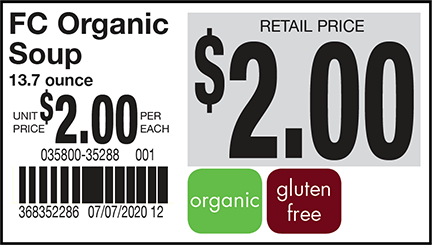
Look for our gluten-free icon on pricing tags to easily identify gluten-free products while shopping. These are products that have been identified as gluten free by the manufacturer and must contain <20 parts per million of gluten as defined by the Food and Drug Administration.
TIPS FOR EASIER GLUTEN-FREE LIVING
- Connect with a local celiac disease support group to learn the latest on gluten-free living, share recipes and meet others that are living gluten free.
- When dining out, check the restaurant’s website or call ahead to check the availability of gluten-free menu items. Communicate your dietary needs to the server and order any questionable sauces, dressings or garnishes on the side or request a substitution.
- When eating at a friend’s house, make them aware of your gluten-free lifestyle and offer to bring a gluten-free dish to share.
- Carry gluten-free snacks with you at work, when traveling, etc.
FEATURED RECIPE
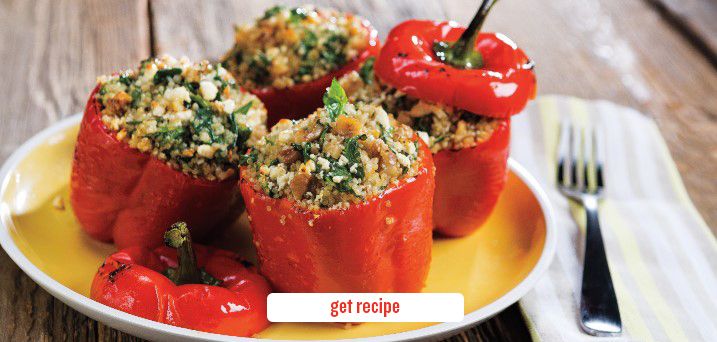
walnut, quinoa & spinach stuffed peppers
Additional Resources
Celiac Disease Foundation: https://celiac.org/
Beyond Celiac: https://www.beyondceliac.org/
Questions? Email the Weis Dietitians at [email protected]
Meet the Weis Dietitians here: https://www.weismarkets.com/ask-a-dietitian
Page last updated 08/11/2020
The Weis Markets’ Healthy Living website does not provide medical advice, diagnosis or treatment. The information provided on this website is intended for general consumer understanding and education only. It is not intended to be a substitute for professional medical advice. The content is not intended to be used for medical diagnosis or treatment. Additionally, as health and nutrition research continuously evolves, we do not guarantee the accuracy, completeness, or timeliness of any information presented on this website.